From Bombardier to Airbus
The Airbus A220 was not originally an Airbus product. It was conceived and developed by Canadian aerospace manufacturer Bombardier as the CSeries, designed to compete against the smaller variants of the Boeing 737 and Airbus A320 families. While technically brilliant, the immense development costs pushed Bombardier to the brink of financial collapse.
Facing geopolitical trade disputes and struggling to secure massive orders, Bombardier entered a strategic partnership with Airbus in 2018. Airbus acquired a majority stake in the program for essentially no initial cash outlay, rebranded it as the A220, and integrated it into its global sales, marketing, and support network. This move immediately legitimized the platform in the eyes of risk-averse airlines and turned a struggling program into a massive commercial success.
Clean-Sheet Engineering
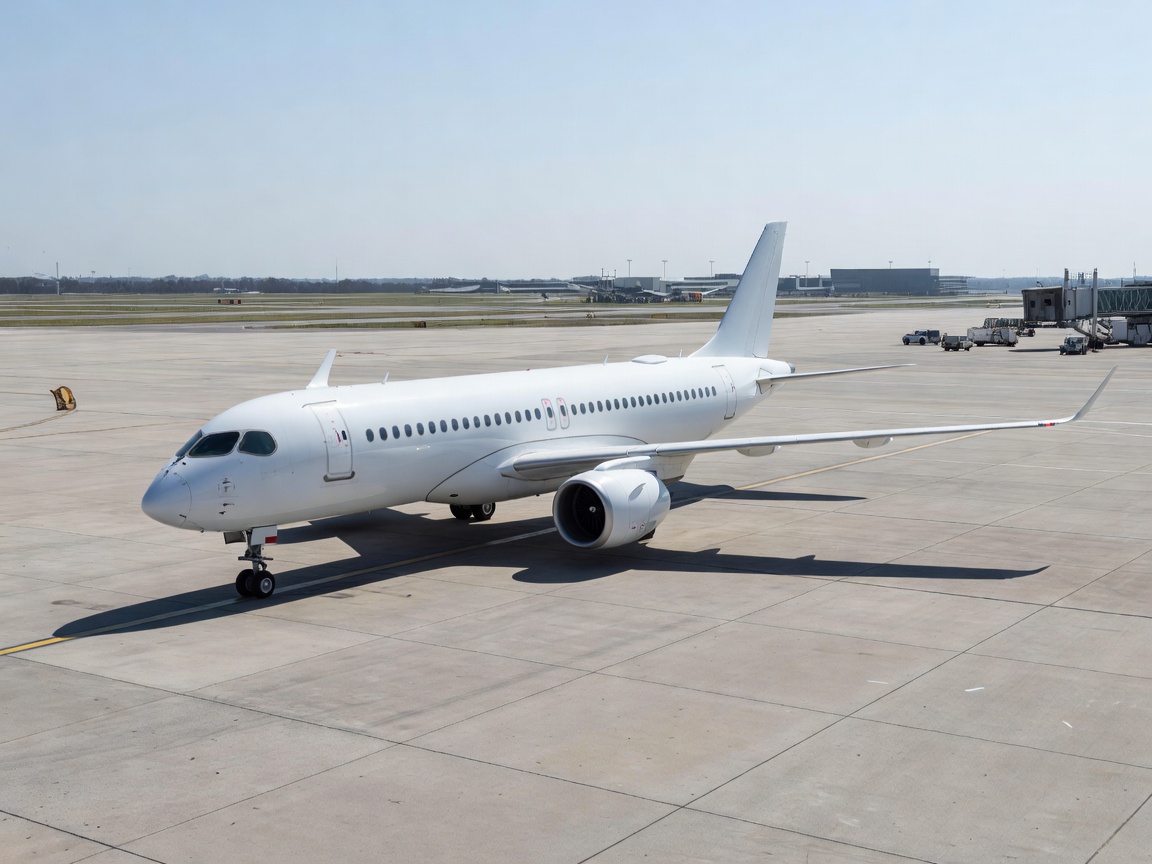
Unlike the updated A320neo or 737 MAX, the A220 is a "clean-sheet" aircraft, meaning it was designed entirely from scratch for its specific market segment. This allowed engineers to utilize modern materials without the constraints of legacy airframes. Extensive use of advanced aluminum-lithium alloys and composite materials (especially in the wings and empennage) resulted in a remarkably lightweight structure.
The aircraft is exclusively powered by Pratt & Whitney PW1500G geared turbofan engines. This combination of a highly aerodynamic, lightweight airframe and next-generation engines yields a 20% lower fuel burn per seat compared to older generation aircraft in its size category.
The A220 Variants
The family currently consists of two variants, sharing 99% line replaceable unit (LRU) commonality and the same type rating, which drastically cuts maintenance and training costs for operators.
| Variant | Typical Capacity | Max Capacity | Range (nm) |
|---|---|---|---|
| A220-100 (CS100) | 100–120 | 135 | 3,450 |
| A220-300 (CS300) | 120–150 | 160 | 3,400 |
Passenger Experience
From a passenger perspective, the A220 is often praised as the most comfortable narrow-body flying today. The fuselage was designed with a 2-3 seating configuration in economy, meaning only one middle seat per row (affecting just 20% of passengers, compared to 33% on standard 3-3 layouts). The seats are wider than standard, the overhead bins are the largest in their class, and the incredibly large windows allow abundant natural light, making the cabin feel spacious and modern.
Market Impact
The A220 has found a lucrative niche. It allows mainline carriers to efficiently serve routes that are too large for regional jets (like the Embraer E175) but too small to profitably fill an A320 or 737. Its exceptional range (up to 3,450 nm) allows airlines to operate transatlantic routes or transcontinental cross-country flights with a smaller aircraft, opening up new city pairs that were previously unviable.