Origins and Development
The Airbus A330 was developed in parallel with the four-engine A340. This twin-program strategy allowed Airbus to offer a common fuselage and cockpit design across both medium-haul and ultra-long-haul markets, radically cutting development costs. The A330 leveraged the fly-by-wire technology pioneered by the A320, scaling it up to a twin-aisle wide-body frame designed to replace aging first-generation wide-bodies and compete against the Boeing 767.
The Classic CEO Models: A330-200 and A330-300
The initial production models are now categorized under the CEO (Current Engine Option) umbrella. The original A330-300 was a high-capacity regional and medium-haul aircraft, favored heavily by carriers in Asia and Europe for dense routes. However, recognizing the demand for longer range with slightly less capacity, Airbus introduced the A330-200. With a shortened fuselage and a larger center fuel tank, the -200 variant could comfortably fly transatlantic and long-haul routes, directly challenging the Boeing 767-300ER and achieving immense market penetration.
| Variant | Typical 2-Class Seating | Max Takeoff Weight (MTOW) | Range (nm) |
|---|---|---|---|
| A330-200 | 246 | 242 tonnes | 7,250 |
| A330-300 | 277 | 242 tonnes | 6,350 |
| A330-800neo | 257 | 251 tonnes | 8,150 |
| A330-900neo | 287 | 251 tonnes | 7,200 |
Revitalization: The A330neo
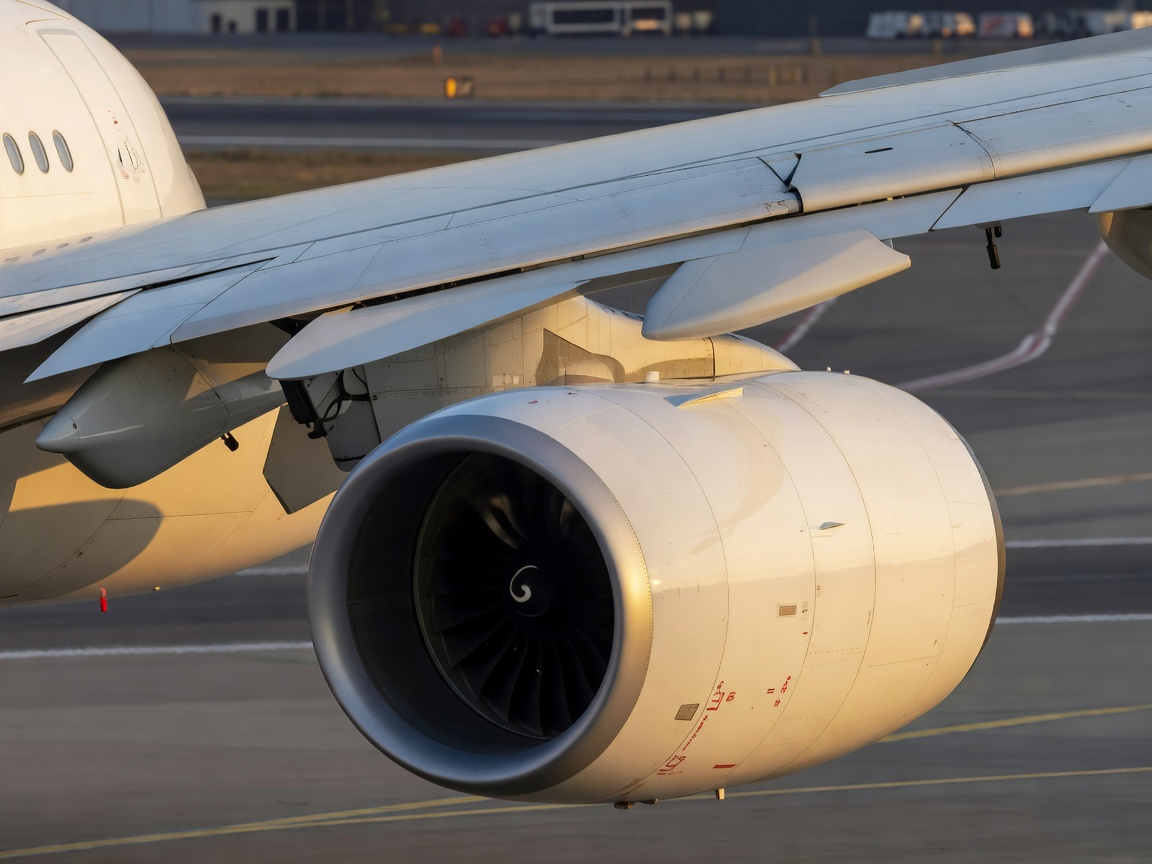
Faced with fierce competition from the clean-sheet composite Boeing 787 Dreamliner, Airbus needed a cost-effective countermeasure that could be delivered rapidly. The answer was the A330neo (New Engine Option). Launched in 2014, the A330neo program replaces the older CF6, PW4000, or Trent 700 engines with exclusively developed Rolls-Royce Trent 7000 powerplants.
Beyond the engines, the A330neo features an extended composite wing with A350-inspired curved Sharklets, which increases the wingspan to 64 meters and significantly reduces aerodynamic drag. The interior also benefits from the "Airspace by Airbus" cabin brand, featuring larger overhead bins, customizable LED lighting, and improved lavatories.
Cargo and Military Derivatives
The robust airframe of the A330 has proven highly adaptable. The A330-200F was introduced as a dedicated factory freighter. More significantly, the A330 Multi Role Tanker Transport (MRTT) has become the gold standard for aerial refueling and military transport for air forces globally, securing major contracts across Europe, the Middle East, and Asia.
Pros and Cons in the Modern Fleet
Airlines' Perspective
The A330neo offers airlines a low-risk, highly reliable asset with capital costs significantly lower than clean-sheet designs like the A350 or 787. Because it shares a common type rating with the A330ceo and cross-crew qualification with the A350, crew scheduling is highly flexible and cost-efficient.
Limitations
Despite aerodynamic and engine upgrades, the A330neo retains an older, heavier aluminum fuselage compared to the composite structures of the Boeing 787. While its cash operating costs are highly competitive on stage lengths up to 10 hours, it burns marginally more fuel per seat on ultra-long-haul sectors where the lighter composite frames of its rivals provide a distinct advantage.